


Scientists ID gene mutation responsible for blue eyes
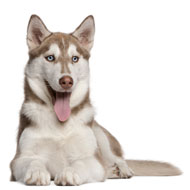
The genetic variant discovered by Embark is particularly prevalent in Siberian huskies.
Scientists have identified the genetic mutation that is responsible for blue eyes in dogs.
In the largest study of its kind, DNA company Embark gathered data from 6,000 dogs. Owners carried out at-home DNA tests and completed online surveys about their dog’s appearance and health.
Blue eyes appear most often in Siberian huskies but the trait also applies to breeds such as the Australian shepherd and many mixed breed dogs.
The genetic variant discovered by Embark is particularly prevalent in Siberian huskies and scientists say it explains nearly all occurrences of blue eyes and heterochromia (multi-coloured eyes) in the breed.
Embark CEO and founder Ryan Boyko said: “Making this discovery marks an enormous milestone in the capabilities of crowdsourced genetic research in animals besides humans. By working with our own customers’ pets, we have successfully identified the genetic marker for a key canine trait.
“We are just touching the tip of the iceberg in genetic discoveries in our canine companions. In analysing crowdsourced data, we will continue to make discoveries that teach us more about the biology of canines in the hopes that someday we will end preventable disease in man’s best friend.”


 Companies marketing medicines for small pets exempt from authorisation must submit their annual return to the Veterinary Medicines Directorate (VMD) by 30 November 2026.



