


‘Antibiotic-free’ labelling misleading - RUMA
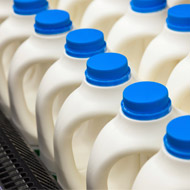
RUMA has warned that labelling meat and milk products as "Antibiotic-Free" could be misleading for consumers.
Labelling products as “Antibiotic Free” has the potential to mislead consumers, the Responsible Use of Medicines in Agriculture (RUMA) Alliance has warned.
RUMA said that such labelling implies that products not marketed in this way contain antibiotics, which is not the case, as there are strict rules governing the administration of antibiotics to farm animals in the UK.
Recent moves to label products as “Antibiotic-Free”, “Reared Without Antibiotics”, or “No Antibiotics Ever” has led the RUMA Alliance to reinforce its position that it does not support the marketing of any milk or meat product on the basis of such claims.
The Alliance said that while it welcomes efforts to minimise antibiotic use through improved health and welfare, it does not support the labelling of these claims for marketing.
“The main concern is causing unnecessary suffering and associated welfare issues by withholding treatment from sick animals in order to comply with the label, when in fact the animals should be treated,” said RUMA. “Equally, if sick animals are taken out of that supply chain and appropriately treated, then the wider system of production does still include antibiotic use, which may not be clear to consumers.”
RUMA also said that while the terms may be used to differentiate products in some countries where the use of antibiotics for growth promotion is still permitted, it is not relevant or helpful in the EU where this practice has been banned since 2006.
The Alliance continues: “RUMA is committed to ensuring antibiotics are used in animal production only when necessary, and when used that the right antibiotics are given in the most effective way possible to cure animal disease while minimising the risk of antibiotic resistance developing.”


 Companies marketing medicines for small pets exempt from authorisation must submit their annual return to the Veterinary Medicines Directorate (VMD) by 30 November 2026.



