


ASF spreads to Belgium
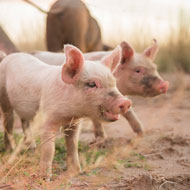
ASF was recently reported in China and Bulgaria for the first time.
African swine fever has been detected in Belgium for the first time since 1985, prompting concerns that the virus is moving closer to the UK.
The virus was confirmed in four wild boar in Etalle, Luxembourg.
Commenting on the outbreak, Zoe Davies, chief executive of the UK’s National Pig Association, said: “We are very concerned as this was a big jump geographically for the virus. It brings ASF closer to the UK and highlights how the virus can be moved long distances to reach new pig populations.
“We are doing everything we can to ensure the virus does not reach the UK pig herd.
ASF was recently reported in China and Bulgaria for the first time and there has been an increase in outbreaks on commercial pig farms in Romania and Poland. Experts say the virus will ‘almost certainly’ spread to other Asian countries.
As a result, the risk of the virus entering the UK via contaminated pig products has been raised from ‘low’ to ‘medium’.
Davies added: “Our focus is on making sure we do absolutely everything we can to keep the virus out – the consequences of ASF reaching our pig herd are enormous, but it will only take one mistake to let it in.
“We also want to ensure we are fully prepared, so we will be ready should the worst scenario happen.”


 Companies marketing medicines for small pets exempt from authorisation must submit their annual return to the Veterinary Medicines Directorate (VMD) by 30 November 2026.



