


New report sheds light on AMR bacteria in meat
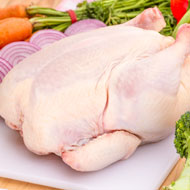
The FSA says the risk of acquiring AMR-related infections is very low, assuming meat is cooked and handled correctly.
A new study has found antimicrobial resistance in a proportion of all types of bacteria examined in samples of chicken and pork.
The Food Standards Agency (FSA) tested 339 samples of raw chicken and 342 samples of raw pork mince from UK retailers. The findings will help to inform future surveillance of AMR in these foods.
Overall, resistance to the most clinically important antibiotics was generally seen more often in chicken than pork.
Key findings
- A quarter of chicken samples tested positive for Campylobacter, of which 40.6 per cent were resistant to ciprofloxacin, 46.5 per cent to nalidixic acid and 61.4 per cent to tetracycline.
- E. coli was detected in 49 per cent of chicken and 4.7 per cent of pork.
- ESBL-producing E. coli was found in 10 per cent of retail chicken and 4.7 per cent of pork.
- Klebsiella was detected in 37 per cent of pork mince samples and 6.5 per cent of chicken.
- Enterococci was isolated more frequently from chicken (53 per cent) than pork mince (30 per cent). Resistance was rare with just one per cent of isolates resistant to vancomycin.
- Salmonella was detected in 1.5 per cent of pork mince samples. All four isolates of S typhimurium were from the same processing plant. All were resistant to ampicillin and tetracycline and one to chloramphenicol. All had reduced susceptibility to sulfamethoxazole. The fifth isolate was identified as a strain of S Derby and had reduced susceptibility to sulfamethoxazole.
However, the FSA says the risk of acquiring AMR-related infections is very low, assuming meat is cooked and handled correctly.
Commenting on the findings, Steve Wearne, director of food policy at FSA, said: “The emergence and spread of AMR poses a significant global threat both in terms of public health and economic impact and we are determined to play our part in addressing this threat…
“As well as reducing antibiotic use on farms we also need to understand the role that food plays in AMR and we are working with the Quadram Institute in Norwich to understand how resistance arises and how resistant bacteria survive and are transmitted through the food chain.
"I am pleased that the food industry is also taking its stewardship role very seriously and is taking action on the O’Neill recommendations.”


 Companies marketing medicines for small pets exempt from authorisation must submit their annual return to the Veterinary Medicines Directorate (VMD) by 30 November 2026.



