


ASF ‘could spread to other Asian countries’, officials warn
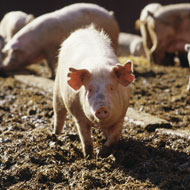
So far, Chinese authorities have culled more than 24,000 pigs in four provinces, in an attempt to control the spread of disease.
African swine fever could spread from China to other Asian countries at any time, the Food and Agriculture Organization (FAO) has warned.
The disease was detected in China for the first time earlier this month. So far, Chinese authorities have culled more than 24,000 pigs in four provinces, in an attempt to control the spread of disease.
ASF has been reported in parts of the country that are more than a thousand kilometres apart, prompting concerns that it could cross the borders to the neighbouring south-east Asia or Korean Peninsula.
According to FAO’s chief veterinarian, Juan Lubroth, it is likely that the movement of pig products, rather than live pigs, is to blame for the virus spreading to other parts of China.
FAO’s Emergency Centre for Transboundary Animal Diseases is working closely with Chinese authorities to monitor the situation and respond effectively to the outbreaks in China. Efforts are also being made to ensure neighbouring countries are prepared to respond to the threat of further spread.
However, the organisation has warned that a complete restriction on the movement of animal and pork products could undermine efforts, as it could lead to illegal transport.
FAO’s assistant director-general, Kundhavi Kadiresan, said: “Outbreaks such as this one are important reminders to us all that we must work together in a multi-lateral and inter-governmental effort to prevent and respond to outbreaks of animal diseases because these diseases know no borders.
"Good communication and coordination with the region's private sector is essential to strengthen cooperation in ASF prevention and control.”


 Companies marketing medicines for small pets exempt from authorisation must submit their annual return to the Veterinary Medicines Directorate (VMD) by 30 November 2026.



