


UK risk of Newcastle disease increased to medium
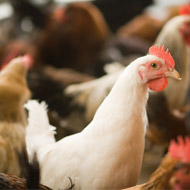
Outbreaks have been confirmed this month on two premises for commercial poultry in East Flanders. (Stock photo)
The risk of Newcastle disease (ND) being introduced the UK has been raised from ‘low’ to ‘medium’, Defra has announced following two recent outbreaks in Belgium.
Outbreaks have been confirmed this month on two premises for commercial poultry in East Flanders.
The first premises holds more than 3,600 poultry and is a dealer in hobby birds, according to the Belgian authorities. On the second premises, there are around 60,000 poultry, of which less than 10 per cent showed severe signs or mortality.
According to a disease report from Defra, there have been 10 outbreaks of ND since June, at hobbyist poultry premises in Liege, Antwerp, Hainaut, Brabant Wallon, Brabant Flamand, East Flanders and West Flanders.
Currently any birds showing clinical signs are being euthanised, while others present are being vaccinated.
In May, there were reports of ND on a premises with 13 hobby birds in Luxembourg, on the border with Belgium. Another case was confirmed in hobby birds in Liege, Belgium, in April. The majority of confirmed Belgian cases are on hobby keeper premises.
As a result of the outbreaks, Defra has increased the UK’s risk level to medium. Pathways for ND to enter the UK include the movement of live poultry and wild birds; contact with fomites and contaminated equipment, clothing or transport; or contact with infected meat or meat products.
Defra said it will continue to monitor the situation closely.


 Companies marketing medicines for small pets exempt from authorisation must submit their annual return to the Veterinary Medicines Directorate (VMD) by 30 November 2026.



