


Wales confirms new measures to improve pet welfare
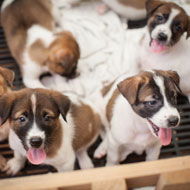
"The illegal importation of puppies, driven by huge demand, continues to be a problem.”
The Welsh Government is set to consider a ban on third party puppy sales, as well as a series of other measures to improve pet welfare.
Cabinet secretary Lesley Griffiths announced this week that a review of microchipping legislation will be carried out to determine whether it should be extended to other species, including cats. Research will also explore current levels of compliance and enforcement.
Commenting on a potential ban on third party puppy sales, Ms Griffiths said she believes it is “worthy of investigation” and officials will discuss options for taking this legislation forward.
She explained: “In Wales, we demand high standards from our licensed breeders and sourcing a healthy puppy which can be seen with its mother, or rehoming an animal from a reputable Animal Welfare Establishment, is the first, fundamental step towards being a responsible owner.
“Yet the illegal importation of puppies, driven by huge demand, continues to be a problem.”
The government will also look at the veterinary care, assistance and advice available to those who need help caring for their pets, owing to a change in their circumstances. This could apply to people in times of illness or emergency, including those fleeing domestic abuse.
Additionally, revised codes of practice for horses and dogs will be published before the summer recess and a consultation on the revised cat code will begin in autumn. Meanwhile, the rabbit code is under review and the government is considering whether further codes are needed for other species, such as primates and other exotic pets, or racing greyhounds.
Ms Griffiths commented: “As a Government, animal welfare is a priority for us. In Wales, we pride ourselves on having excellent animal welfare standards and expect everyone to reflect this by being responsible owners…
“Embedding a culture of responsible ownership cannot be achieved in isolation and I am grateful for the dedication and passion shown towards animals in Wales. There is always more that can be done but we are proud, as a nation, to be leading the way in raising standards of animal welfare.”


 Companies marketing medicines for small pets exempt from authorisation must submit their annual return to the Veterinary Medicines Directorate (VMD) by 30 November 2026.



