


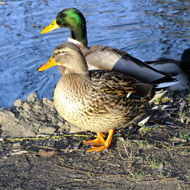
CRISPR/Cas9 method applied to duck enteritis virus for the first time
Researchers at The Pirbright Institute have used gene editing technology to create a single vaccine for avian influenza and duck enteritis virus (DEV).
Writing in the journal Viruses, the researchers explain how they used a method of CRISPR/Cas9 gene editing to insert protective avian influenza virus genes into DEV. This method allows higher rates of gene insertion and makes the process more efficient.
DEV infects geese, swans and ducks, leading to loss of life in almost 100 per cent of cases. To reduce the impact of DEV, vaccines are used widely and have recently been employed for delivering components of other viruses such as avian influenza.
In SouthEast Asia, domestic duck populations also play a key role in maintaining the reservoir of severe bird flu strains and allow the infection to ‘spillover into chickens’. This makes them important targets for vaccination campaigns.
Like human flu, vaccination against avian flu is complicated by the hundreds of potential strains, with seasonal variations deciding which vaccine should be used. The gene editing technique used by The Pirbright Institute allows for the rapid development of vaccines that can protect against DEV whilst keeping up with the changing circulating flu strains.
“This is the first time this CRISPR/Cas9 method has been applied to duck enteritis virus and is an exciting step forward in the rapid development of bird flu vaccines,” said professor Munir Iqbal. “Vaccines that protect ducks against DEV as well as severe forms of avian flu will reduce production losses for duck farmers, safeguard other poultry species against flu infection and lower the risk of transmission to humans.”
Due to its large genome size, DEV is being increasingly to used to deliver protective genes to birds. The method’s design allows its application to different genres and viruses, opening up the possibility that other diseases can be tackled using this system.
The vaccine is now ready for registration and researchers at Pirbright are now seeking collaborations with pharmaceutical companies to commercialise the vaccine.


 Companies marketing medicines for small pets exempt from authorisation must submit their annual return to the Veterinary Medicines Directorate (VMD) by 30 November 2026.



