


Ban on formaldehyde in feed comes into effect
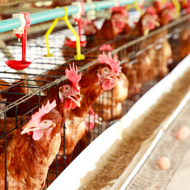
A majority 26 countries voted in favour of the ban.
A European ban on the use of formaldehyde in animal feed has come into effect.
In December 2017, EU member states voted to ban the use of formaldehyde in pig and poultry feed. The move followed months of discussion and backed the EU Commission’s decision not to allow formaldehyde as a ‘hygiene condition enhancer’.
The new EU regulation was adopted on the 7 February and published the following day in the Official Journal of the European Union.
Under the new regulation, which comes into force today (1 March), the use of formaldehyde in pig and poultry food is prohibited. Use of the compound as a preservative in cattle feed, however, is still permitted.
According to the Food Standards Agency, transition periods are applied to the use of formaldehyde as a preservative in skimmed milk for piglets (to be withdrawn by 29 May 2018) and premixtures or finished feed (28 August 2018).
Ahead of the vote at the EU Standing Committee on Plants, Animals, Food and Feed’s meeting in December, the Commission provided a detailed summary on the arguments for and against the continued use of formaldehyde.
A majority 26 countries voted in favour of the ban, largely due to health and safety concerns for animals and workers. The concerns were based on the carnogenic potential from formaldehyde vapours, being classified as a carcinogen 1B.


 Companies marketing medicines for small pets exempt from authorisation must submit their annual return to the Veterinary Medicines Directorate (VMD) by 30 November 2026.



