


BVA president warns of vet crisis after Brexit
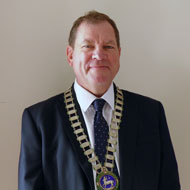
BVA president John Fishwick addressed 70 guests at the BVA's annual London dinner.
BVA president John Fishwick has called on the government to add veterinary surgeons to the Shortage Occupation List to prevent ‘an acute crisis in veterinary capacity’ after Brexit.
Speaking at the organisation’s annual London dinner on Tuesday (30 January), Mr Fishwick acknowledged the UK government’s reassurances for non-British EU nationals, currently living and working in the UK. But for some, he said, these have come too late:
“Research by the RCVS has shown that nearly a third of vets and vet nurses whose nationality is non-UK European are considering a move out of the UK. To prevent an acute crisis in veterinary capacity, BVA is urging the Home Office to add veterinary surgeons to the Shortage Occupation List.”
He also stressed that a shortage of vets could interfere with trade after Britain leaves the EU.
“In trade alone, it’s been estimated that the volume of exports requiring veterinary certification could increase by as much as 325 per cent,” he said. “Depending on the outcome of Brexit negotiations … new veterinary certifications will need to be developed and supervised to ensure the continuation of smooth trade, which will require an increase in the number of specially trained Official Veterinarians to perform this role.”
The BVA’s dinner was attended by 70 guests including Defra minister Lord Gardiner of Kimble. During his speech, Mr Fishwick outlined his presidential theme of ‘Team vet: working together’.
He said: “It is veterinary input and expertise that underpins the UK’s high standards of animal health, animal welfare and public health. We are rightly proud of these high standards … Yet these standards can only be maintained with a robust, sustainable veterinary workforce in place.”
Mr Fishwick then reflected on public reaction to the debate on animal sentience and welfare last November and the number of times he has heard the environment secretary speak on the continued need for high standards:
“Animal welfare, alongside high animal health standards, provides our trade with a unique selling point that should be maximised post-Brexit. It is for all of these reasons that we believe animal health and welfare should be considered ‘public goods’ in any future UK agricultural policy … since [this is exactly why] we have our global reputation for agricultural produce and high standards.”


 Companies marketing medicines for small pets exempt from authorisation must submit their annual return to the Veterinary Medicines Directorate (VMD) by 30 November 2026.



