


Survey reveals signs of Schmallenberg in Scotland
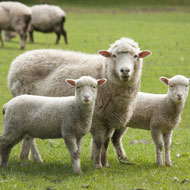
Vets have found evidence that Schmallenberg Virus circulated in Dumfries and Galloway last autumn.
Vets have found signs that Schmallenberg Virus (SBV) spread across parts of Scotland during autumn 2017.
Results of the SBV survey show that the disease had been circulating in Dumfries and Galloway. Researchers say that it could lead to the birth of deformed lambs and calves.
The results have been revealed by SAC Consulting Veterinary Services which, in conjunction with Livestock Health Scotland, has been monitoring milk samples from dairy herds across the country.
George Caldow, head of SAC Consulting Veterinary Services, said: “Each farm acts only as sentinel to SBV virus activity in the local area and circumstances vary from farm to farm with regard to virus spread and midge activity.
“The results of the study so far can therefore only act as a guide, but do suggest that there has been some active transmission of the SBV virus in Dumfries and Galloway in the autumn of 2017.
“This could potentially lead to the birth of deformed lambs and calves. However, in other areas of the country, particularly north of the Central Belt, we expect the disease risk to be much lower. Farmers concerned about potential SBV risk should speak to their vets in the first instance.”
Nigel Miller, SRUC board member and chairman of Livestock Health Scotland, said: “The SBV survey has highlighted the value of targeted surveillance and the strength of the SAC Consulting veterinary surveillance team linking up with milk producers across Scotland.
“The positive bulk milk samples from the south west not only provide an early warning of possible problems ahead, during the 2018 calving and lambing period, but also increase our understanding of the ability of the Schmallenberg virus and its vectors to persist and spread under Scottish climatic conditions.”


 Companies marketing medicines for small pets exempt from authorisation must submit their annual return to the Veterinary Medicines Directorate (VMD) by 30 November 2026.



