


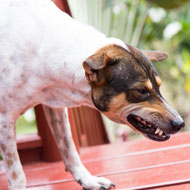
Understanding canine communication, consequences and conundrums
Dog bite prevention – what does it actually mean? Shakira Miles, RVN, speaking at the London Vet Show, quoted Wikipedia, saying that it “is the effort to educate”.
The impact of a dog bite is not limited to the human victim. A sad statistic is that 98 per cent of vets have euthanatised healthy animals because of behavioural issues. So, what can be done?
Clinic approach
First and foremost, educating all staff on how to understand our canine clients should be essential. From their subtle body language, such as yawning and trembling as a sign of anxiety, to behaviour becoming worse as time progresses being considered ‘normal’. Writing up detailed behavioural notes to know how the animal reacts on a certain day should empower and utilise staff in their interaction with dogs.
Educating the owner
Lack of ownership awareness is a major issue in dog behaviour. Asking questions and looking at how a client treats their dog in everyday life, including how they react to their pet being ‘naughty’ is a good signal to their relationship and interaction. Owners should not be accepting behaviours that can lead to biting. “Dog behaviour is a function and we have a moral obligation to preserve welfare where we can,” says Miles.
Being dog-friendly
It is essential to go at the dog’s pace in clinic. Let them have time off lead when they come in. Think. Is this interaction necessary? What is the plan of action, both short, and long-term in relation to ensuring the dog has good interactions? Is this treatment urgent?
Have behaviour friendly equipment on hand – treats, toys and blankets to make the dog feel safe and secure.
When treating a dog, you need to “go slow to go fast”. If you can get the animal in a different state of mind, then you will succeed in treatment a lot quicker and reduce the risk of biting. Each dog is an individual and should be treated as such.


 Companies marketing medicines for small pets exempt from authorisation must submit their annual return to the Veterinary Medicines Directorate (VMD) by 30 November 2026.



