


New TB measures coming into force in Wales
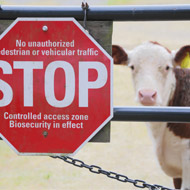
“I cannot stress enough the importance of the work to clear up long-standing TB breakdowns, some of which have been under restrictions for 10 years or more"
The Welsh Government is reminding farmers and vets that the new, regional approach to TB eradication will come into force this Sunday (1 October).
Cabinet secretary Lesley Griffiths published an enhanced TB eradication programme in June. Low, Intermediate and High TB areas will be established based on levels of bovine TB incidence.
Enhanced measures will be applied to each area, depending on the local disease risks and drivers. The approach aims to protect cattle in the Low TB Area, and tackle the disease in the Intermediate and High TB Areas.
The cabinet secretary said: “I cannot stress enough the importance of the work to clear up long-standing TB breakdowns, some of which have been under restrictions for 10 years or more.
“On average, the cost of testing in these herds and compensation of cattle slaughtered, is almost £200,000 per herd. Clearing up infection in these herds will offer significant savings to the taxpayer and farm businesses.”
Ninety-five per cent of herds in Wales are already TB free. The number of new incidents has fallen by over 40 per cent since the peak in 2009, and are at their lowest level in 12 years.
The Welsh government will monitor the impact of the new measures and aim to review the boundaries of the TB areas once the full calendar year dataset for 2018 is available.


 Companies marketing medicines for small pets exempt from authorisation must submit their annual return to the Veterinary Medicines Directorate (VMD) by 30 November 2026.



