


Fipronil: More products withdrawn
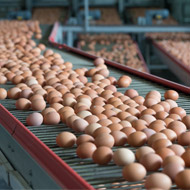
UK-laid eggs are also being tested for fipronil, but so far all results have been clear.
Four more products have been withdrawn from sale as they contain eggs that could be affected by fipronil, a pesticide that is not permitted for use in animals intended for consumption.
The list of withdrawn products in the UK now numbers nearly 70. The latest products to join the list are waffles sold in retail stores and profiteroles for use in catering outlets.
Products must be removed from sale if the amount of implicated egg is more than 15 per cent of the final product.
The Food Standards Agency (FSA) says it remains very unlikely that there is any risk to public safety and there is no need to buy or consume eggs differently. However, fipronil is not authorised for use in food producing animals, so the FSA continues to trace implicated food products to ensure they are removed from sale if they breach the 15 per cent limit.
UK-laid eggs are also being tested for fipronil, but so far all results have been clear.
It came to light in August that fipronil had been used inappropriately in cleaning products on chicken farms in the Netherlands. As a result Dutch retailers began withdrawing eggs from the shelves.
The FSA later identified a small number of eggs had been distributed from the affected farms to the UK. The number of eggs involved represent around 0.0001 per cent of the eggs imported into the country each year, according to the FSA.


 Companies marketing medicines for small pets exempt from authorisation must submit their annual return to the Veterinary Medicines Directorate (VMD) by 30 November 2026.



