


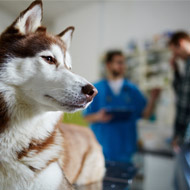
Spike in husky sales and abandonments due to ‘direwolf’ character
Game of Thrones (GoT) actor, Peter Dinklage, has made a plea to his loyal fans, to stop impulsively buying huskies. There has been a major spike in the sale of the breed since the introduction of the ‘direwolf’ characters, in the Game of Thrones television series.
Fans in the U.S. and U.K. are reportedly buying huskies from breeders and pet shops, naming them after their favourite GoT characters and, upon realisation of the commitment and hard work involved with caring for a dog, abandoning them at animal shelters and rescue centres.
Peter Dinklage, a long-term vegetarian and supporter of animal rights, has collaborated with animal welfare organisation - PETA - to request that fans stop buying dogs, on a whim. The actor also asked fans to reconsider their decision to buy dogs, as opposed to rehome them from shelters.
Dinklage stated: “Please, to all of Game of Thrones’ many wonderful fans, we understand that due to the direwolves’ huge popularity, many folks are going out and buying huskies. Not only does this hurt all the deserving homeless dogs waiting for a chance at a good home in shelters, but shelters are also reporting that many of these huskies are being abandoned—as often happens when dogs are bought on impulse, without understanding their needs.
"Please, please, if you’re going to bring a dog into your family, make sure that you’re prepared for such a tremendous responsibility and remember to always, ALWAYS, adopt from a shelter.”
Over six million cats and dogs are handed over to animal rescue centres each year, with half of them euthanised due to the limited space and lack of funding at these animal shelters. Dog rescue groups in both Northern California and the UK, have reported a massive increase in their numbers of huskies since the Game of Thrones series premiered in 2011.
PETA states that this is not the first time an on screen pet has sparked major sales in a particular dog breed. 101 Dalmatians, Beverly Hills Chihuahua, Legally Blonde, and Men in Black all triggered a sudden spike in sales, followed by an increase in abandonments, of the respective dog breeds featured.
As a result, PETA encourages prospective pet owners to consider whether they are ready for a life-long commitment and, if so, to adopt from rehoming centres, rather than buying pets from breeders and pet shops. Rehoming an animal means that new pet owners can have a real, tangible effect on the overpopulation crisis that is currently sweeping through shelters in the U.S. and the U.K.


 Companies marketing medicines for small pets exempt from authorisation must submit their annual return to the Veterinary Medicines Directorate (VMD) by 30 November 2026.



