


Defra to fund research into pig stunning methods
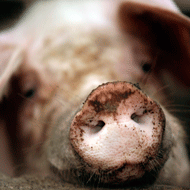
Research shows that pigs find direct exposure to CO2 aversive.
Research into alternatives to the use of carbon dioxide for the commercial slaughter of pigs will be jointly funded by Defra, it has been announced.
The Humane Slaughter Association (HSA) and Defra are offering up to £400,000 for a project to develop a more humane ways to stun pigs at slaughter.
It is common practice for pigs to be exposed to high concentrations of carbon dioxide (CO2) before slaughter, particularly in the UK and other EU member states.
But research shows that pigs find direct exposure to CO2 aversive. In 2003, a report published by the Farm Animal Welfare Council (FAWC) recommended that this method should be phased out.
A report by the European Food Safety Authority (EFSA) confirmed the effectiveness of the method, but noted that it resulted in respiratory distress in pigs. The HSA said that similar concerns expressed for poultry and alternative controlled atmosphere systems are now in use within the poultry industry.
Defra and the HSA said that they are both committed to improving the welfare of animals at slaughter and the funding aims to develop a more humane method which could replace high-concentration CO2 stunning of pigs.
They add that the project aims to ensure that any proposed method is not only more humane but also practically and economically viable so that it is likely to be widely adopted by the pig industry.
“The HSA hopes that this collaborative funding opportunity with Defra will lead to improvements in the welfare of pigs at the time of slaughter,” commented HSA’s chief executive & scientific director Dr Robert Hubrecht.
Welcoming the announcement, the National Pig Association (NPA) said it was pleased funding has been made available for research into new methods.
NPA senior policy advisor Georgina Crayford said: “We also welcome HSA’s acknowledgement that new methods need to be commercially viable to ensure roll out but, until an alternative is found, CO2 stunning remains best practice.”


 Companies marketing medicines for small pets exempt from authorisation must submit their annual return to the Veterinary Medicines Directorate (VMD) by 30 November 2026.



