


African swine fever reaches Czech Republic
The Czech Republic is the latest country to be affected by the disease.
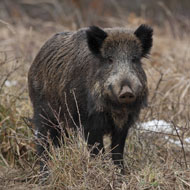
A wild boar found dead in the Czech Republic has tested positive for African swine fever (ASF), the World Organisation for Animal Health (OIE) has confirmed. It is the country’s first reported case.
Samples for ASF testing were collected from the animal, which was found in the village of elechovice in the Zlín region. The samples were sent to the National Veterinary Research Institute (Reference Laboratory), as part of the national ASF surveillance programme.
The source of the outbreak is currently unknown. Movement control has been implemented inside the country, in addition to surveillance within a containment and/or protection zone.
The Czech Republic is the latest country to be affected by the disease, which in recent years has been confirmed in Russia, Ukraine, Poland, Lithuania, Latvia, Estonia and, in October, Moldova.
In the past month, the OIE has reported 11 cases in Poland and nine in the Ukraine, as well as cases in Lithuania, Russia and Moldova.
Responding to the latest outbreak, Zoe Davies, chief executive of the UK’s National Pig Association, said: "This is another concerning development in the spread of ASF in eastern Europe…
“Wild boar, which have played a major part in spreading the disease in eastern Europe and this highlights once again the need to ensure we have robust control measures in place to prevent our wild boar populations spreading out of control."


 Companies marketing medicines for small pets exempt from authorisation must submit their annual return to the Veterinary Medicines Directorate (VMD) by 30 November 2026.



