


VMD calls for 10-year transition period on zinc oxide
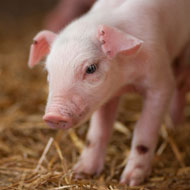
The National Pig Association has opposed an outright ban, arguing that the benefits of zinc oxide to piglet health far outweigh any environmental risk.
The Veterinary Medicines Directorate (VMD) is calling for a 10-year transition period if zinc oxide is banned in piglet feed.
The EU Committee for Medicinal Products for Veterinary Use (CVMP) is currently re-evaluating its opinion after it recommended banning products containing zinc oxide that are administered by mouth to food-producing species.
A final announcement on the decision is due on March 16, when the European Commission will decide whether to adopt the opinion of the CVMP
Across the EU, farmers use zinc oxide to prevent and control post-weaning diarrhoea and bowel oedema in piglets. An estimated 70-90 per cent of starter diets in the UK contain zinc oxide at therapeutic levels.
The National Pig Association has opposed an outright ban, arguing that the benefits of zinc oxide to piglet health far outweigh any environmental risk. But the industry has accepted that a sensible contingency plan must be in place should the worst happen.
Speaking on Monday, the VMD said: “The VMD has been in consultation with stakeholders to compile evidence to support a request for a 10-year transition period if the CVMP opinion remains negative and is adopted by the Commission. We have submitted this evidence to the Commission today.”
Echoing this call, the NPA claims that it would take a decade to bring viable alternatives to market, deliver sustainable reductions in antibiotic use, achieve a stable outlook post-Brexit and for pig producers to invest in new, more hygienic buildings.
“We are pleased the VMD is making the case for a 10-year transition period, which we feel would be needed given the potentially damaging impact on piglet health and farm profitability from banning zinc oxide, let alone the inevitable rise in antibiotic use,” said NPA chief executive Zoe Davies.
“But we continue to oppose the recommendation for a ban full stop. It is simply not justified by the evidence and appears to be politically driven.”


 Companies marketing medicines for small pets exempt from authorisation must submit their annual return to the Veterinary Medicines Directorate (VMD) by 30 November 2026.



