


Dedicated vet can increase sheep farmer engagement - study
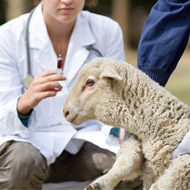
Relationships appeared to be the most important factor in increasing sheep farmer engagement.
New insights into how veterinary surgeons can assist sheep farmers have been provided by a new study.
The study found that major health issues are the main reason sheep farmers seek advice from vets. But many are hesitant to seek help too early due to perceived lack of expertise and a desire for self-sufficiency.
Conducted by Bax Interaction on behalf of Norbrook and XLVets, the study sought to better understand how and when sheep farmers engage with vets.
“Our initial findings show that there is a wealth of information and advice available to sheep farmers, so often the vet is not consulted,” said Chris Geddes, marketing manager at Norbrook.
“Added to this, some sheep farmers feel that there is a lack of specialist sheep knowledge and experience among farm vets – they attributed this to the high volume of dairy work in the UK, and the fact that vets are not spending time on sheep farms to the same extent as they do with cattle.”
Steve Bax, managing director of Bax Interaction, added that relationships appeared to be the most important factor in increasing sheep farmer engagement.
“There were some indications that the vet is seen as more important than the practice in this regard,” he said. “A dedicated vet for a farm is one way that was suggested to increase engagement although sheep farmers recognised the cost and time constraints in doing this.”
The study also found that most sheep farmers benefit from flock health planning. Farmers identified this as a good way for vets to get more involved and provide advice, which could, in turn, build trust.
Vet Lee-Anne Oliver, a member of the XLVets community, hopes the results will help veterinary practices better understand sheep farmers and ensure that they meet their needs.
“By listening to what our sheep farmers want from us and then working with them to develop our service, we can ensure we add value to their business," she said. “The research has provided a number of insights into how we as veterinary surgeons can further develop our skills and assist our sheep farmers in more positive and proactive ways.”


 Companies marketing medicines for small pets exempt from authorisation must submit their annual return to the Veterinary Medicines Directorate (VMD) by 30 November 2026.



