


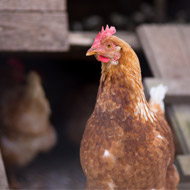
Keepers may let birds out if enhanced biosecurity is in place
Scotland’s avian influenza prevention zone will be extended until at least 30 April, allowing keepers of poultry and captive birds to let their birds outside if enhanced biosecurity is put in place.
The move was confirmed by the Scottish government yesterday (22 February). The new zone will come into force on 28 February, replacing the original zone requiring birds to be housed indoors, which was declared on 6 December 2016.
A GB-wide ban on poultry shows and gatherings is still in force.
Cabinet secretary for rural economy Fergus Ewing said yesterday: “Today’s declaration will be welcome news for many keepers eager to let their birds outdoors again. However, the risk from Highly Pathogenic Avian Influenza H5N8 remains, with another confirmed case in domestic birds in England as recently as last week.
"It is essential that bird keepers comply with the biosecurity requirements set out in the declaration, and in further guidance available on the Scottish Government website.
“We have listened carefully to key industry stakeholders and are clear that allowing birds outside on 28 February, under enhanced biosecurity, provides the right balance between reducing disease risk and minimising the economic impact on Scotland’s vital free range poultry industry.”
Scotland’s chief veterinary officer Sheila Voas added: “Bird keepers will still have the option to house their flock, and for many this will continue to be the most practical way to comply with the requirements of the zone and minimise the risk of infection. However, under EU law, products from housed birds can no longer be marketed as ‘free range’ after 28 February.”
The biosecurity measures required in the zone can be found here: http://www.gov.scot/Resource/0051/00514386.pdf


 Companies marketing medicines for small pets exempt from authorisation must submit their annual return to the Veterinary Medicines Directorate (VMD) by 30 November 2026.



