


Profession needs 'greater diversity', election hopeful says
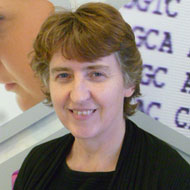
Dr Scudamore works as a part-time diagnostic pathologist for MRC Harwell and Abbey Veterinary Services/NationWide Laboratories.
RCVS Council election candidate Dr Cheryl Scudamore has a career spanning academia, the pharmaceutical industry, diagnostic pathology and management, as well as extensive experience on professional committees.
In her candidate manifesto Dr Scudamore says she would like to see increasing diversity in the veterinary profession, firstly by aiming to attract a better balance of veterinary school applicants to reflect today's society.
She was part of the stakeholder group for Vet Futures – the BVA/RCVS project aiming to help the veterinary profession prepare for and shape its future. The early work of the project, Dr Scudamore says, must 'come to fruition with genuine actions that help prepare graduates and established vets for different roles'.
She also believes a good work-life balance is 'essential and not just desirable' for addressing mental health issues in the profession. Vets should be supported in their early post-graduation years, but also later in life as they acquire more responsibility.
After graduating from Liverpool University in 1988, she completed a PhD at the Rowett Research Institute and became a senior lecturer in veterinary pathology at the Royal (Dick) School of Veterinary Studies. Following this she moved into the pharmaceutical industry, during which time she worked as a pathologist and managed a large technical team, before returning to academia at the RVC.
Dr Scudamore currently works as a part-time diagnostic pathologist for MRC Harwell and Abbey Veterinary Services/NationWide Laboratories. She holds visiting chairs at RVC and Surrey vet school, is an RCVS recognised specialist in veterinary pathology and sits on the RCVS fellowship credentials panel.
Her particular interests include transferring technical skills between the industry and academia, ensuring the welfare of experimental animals and encouraging vets to explore alternative career options.
Ballot papers will be posted to all veterinary surgeons and nurses that are eligible to vote in the week commencing 13 March. All votes must be cast by 5pm of 28 April 2017.


 Companies marketing medicines for small pets exempt from authorisation must submit their annual return to the Veterinary Medicines Directorate (VMD) by 30 November 2026.



