


RCVS candidate calls for greater representation on council
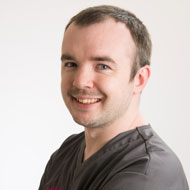
Mr Plumtree is one of 13 new candidates standing for election to the RCVS Council, alongside three existing members hoping to be re-elected.
Veterinary surgeon Matthew Plumtree is calling for greater representation of first opinion vets on the RCVS Council in his election manifesto.
'The RCVS needs new ideas and fresh representation,' he wrote. 'With 85 per cent of vets in first opinion work, it is important that the make-up of the RCVS Council should reflect this. The decisions it makes impact on every one of us within the profession.'
As the Veterinary Surgeons Act is based largely on EU legislation and is likely to be lost post-Brexit, it is 'vital that first opinion front-line practitioners have a voice' in re-writing the legislation, he added.
Mr Plumtree is one of 13 new candidates standing for election to the RCVS Council, alongside three existing members hoping to be re-elected.
He graduated from Nottingham School of Veterinary Medicine and Science in 2011, following a degree in Bioveterinary Science at Liverpool vet school. Since then he has worked in small animal first opinion practice and is currently clinical director at a YourVets clinic in Sheldon.
A particular interest is managing the leap from student to new graduate; he teaches new graduates as part of the CVS new graduate scheme.
Mr Plumtree would also like to see a change in the RCVS disciplinary process, whereby client complaints are referred to an alternative dispute resolution company, rather than the college directly.
'This will lead to more appropriate outcomes for vets and clients, and reduce the stress that hangs over vets whilst such processes are ongoing,' he wrote. 'If we look after the vets and nurses, vets and nurses will look after the animals.'
Mr Plumtree also believes the Practice Standards Scheme should be made compulsory, and top ratings only awarded if the clinic's own staff choose to rate it so anonymously. He believes this will encourage employers to look after their employees, provide a transparent 'trip-advisor' style rating for vets and nurses to compare jobs and practices, and raise minimum standards across the profession.
Ballot papers will be posted to all veterinary surgeons and nurses that are eligible to vote in the week commencing 13 March. All votes must be cast by 5pm of 28 April 2017.


 Companies marketing medicines for small pets exempt from authorisation must submit their annual return to the Veterinary Medicines Directorate (VMD) by 30 November 2026.



