


H5N8: 63,000 birds to be culled
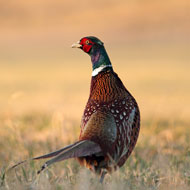
A proactive cull of 63,000 birds, including pheasants, partridges and ducks, is underway. (stock photo)
The UK’s chief veterinary officer Nigel Gibbens has revealed that 63,000 birds will be culled to contain the possible spread of avian influenza H5N8.
After ongoing investigations Defra confirmed the presence of H5N8 at a further site in Lancashire, which had links to a farm in Wyre where avian influenza was recently reported.
An outbreak of the disease was confirmed in a flock of farmed pheasants in Wyre, Lancashire, on 24 January. A routine investigation of premises linked to the farm subsequently found a second outbreak in a nearby flock of pheasants (27 January). There was a business link between the two premises.
In a statement yesterday (30 January) Defra said it it had not been possible to rule out the presence of H5N8 in farmed birds at a further linked premises in the area and, therefore, there would be a proactive cull of 63,000 birds, including pheasants, partridges and ducks.
Ongoing investigations and tests have since confirmed the presence of H5N8 avian influenza at the linked premises.
Investigations continue and the site will be cleansed and disinfected to further reduce the risk of disease spreading to other birds. The restrictions placed at the sites will remain in force until investigations, cleansing and disinfection are complete.


 Companies marketing medicines for small pets exempt from authorisation must submit their annual return to the Veterinary Medicines Directorate (VMD) by 30 November 2026.



