


Brexit ‘disastrous’ for Scottish food and farming
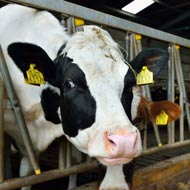
Mr Ewing said that a ‘Hard Brexit’ would be ‘devastating’ for Scottish agriculture.
Scotland’s rural affairs secretary, Fergus Ewing, has warned that leaving the European Single Market would be ‘disastrous’ for the country’s food and farming industries.
His comments come as people across the world prepare to celebrate Burns Night by enjoying iconic Scottish food and drink.
Speaking on Sunday, Mr Ewing said that a ‘Hard Brexit’ would be ‘devastating’ for Scottish agriculture and the many food companies which rely on Scottish produce.
He added that it may also put Scottish-protected food names at risk, and threaten regulations that underpin animal standards.
“We simply can’t ignore the disastrous impact that leaving the Single Market, and the 500 million people within it, could have on our food and drink sector,” he said.
“A ‘Hard Brexit’ would be devastating for Scottish agriculture and the many food companies which rely on Scottish produce. Potentially, they face both high tariffs of up to 50 per cent and loss of subsidy support.
“It may also put at risk Scottish protected food names which give confidence to consumers, and the common regulatory frameworks which help maintain food safety, animal and plant health standards and guarantee access to EU markets and many other countries.”
Mr Ewing also highlighted the importance of EU migrants to the UK’s food and farming sector. In 2014, foreign-born nationals accounted for almost 40 per cent of the workforce - the majority of which arrived from inside the EU.
“Unlike the UK Government, we value the contribution that non-UK EU nationals bring to our economy and society, contributing to sustainable economic growth, mitigating the effects of demographic change and enriching our culture and communities,” he said.
“I would encourage anyone enjoying a Burns supper this year to reflect on the role EU membership plays in enriching our culture and communities, supporting our economy and in the production of much of Scotland’s food and drink.”


 Companies marketing medicines for small pets exempt from authorisation must submit their annual return to the Veterinary Medicines Directorate (VMD) by 30 November 2026.



