


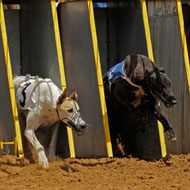
Fresh calls to update 2010 regulations for racing greyhounds
Animal welfare charities and MPs are calling for more to be done to protect the welfare of racing greyhounds.
Representatives from nine charities attended a drop-in session, hosted by Angela Smith MP, to discuss what needs to be done.
Battersea Dogs and Cats Home’s director of operations, Peter Laurie, said the current Welfare of Racing Greyhound Regulations 2010 have delivered “some important improvements” but there is “much more to do”.
“We’re asking for the 2010 regulations to be amended to make it mandatory for the industry to publish welfare data relating to injury, euthanasia and rehoming or retirement numbers.
“These regulations should also cover trainers’ kennels, which aren’t properly monitored, and yet are where greyhounds spend 95 per cent of their time.”
The charities also called for greater pressure on bookmakers to ensure they invest a fair proportion of their profits into welfare.
Welfare organisations estimate that 3,500 greyhounds are unaccounted for every year in the UK, but without statistics from the industry the true scale of the problem is difficult to pin down.
Angela Smith said: "The existing 2010 Regulations do not go far enough to address welfare concerns. Along with the welfare members of the Greyhound Forum I am calling on MPs to acknowledge that more must be done to safeguard greyhound welfare."
Clarissa Baldwin, chair of the Greyhound Forum, added: "We are delighted to see the support of so many MPs. It goes to show that greyhound welfare is high on the agenda for MPs and their constituents. As so many of us consider ourselves a nation of animal lovers it’s outrageous that so little is being done by our Government to ensure that welfare in the industry is prioritised."
In September last year, charities were disappointed by a government review of the regulations, which considered only minimal changes - and even those are unlikely to come into force until 2018.
Clarissa added: "We hope MPs will work with us to put pressure on the Government to treat the grave issue of Greyhound welfare with the urgency and severity it deserves."


 Companies marketing medicines for small pets exempt from authorisation must submit their annual return to the Veterinary Medicines Directorate (VMD) by 30 November 2026.



