


Protection and surveillance zones are in place
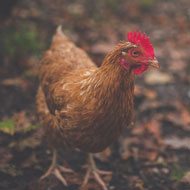
A new outbreak of avian influenza H5N8 has been confirmed in a backyard flock of chickens and ducks in Pontyberem, Carmarthenshire.
The birds were culled prior confirmation of avian influenza as the disease was strongly suspected. A 3km protection zone and 10km surveillance zone are in place around the affected premises to limit the risk of the virus spreading.
According to a statement by the Welsh government it is the same strain that was identified in a wild duck in Llanelli on 22 December and a turkey farm in Lincolnshire on 16 December, as well as cases being seen in many European countries, the Middle East and North Africa.
Public Health Wales said the risk to human health is very low. The Food Standards Agency has stressed that the virus is not a food safety risk to UK consumers, and thoroughly cooked poultry and poultry products, including eggs, are safe to eat.
A prevention zone requiring all poultry and captive birds to be kept indoors or otherwise separated from wild birds is still in place, alongside a temporary ban on gatherings of certain bird species.
Commenting on the new case in Carmarthenshire, the chief veterinary officer for Wales, Christianne Glossop said: “This case serves to remind us all of the risk of infection. The Prevention Zone and temporary suspension on gathering of poultry remain in place.
“It is extremely important that bird keepers practice the very highest levels of biosecurity. Even when birds are housed, there remains a risk of infection and keepers of poultry and other captive birds should ensure every effort is made to prevent contact with wild birds. The movement of poultry should be minimised, and clothing and equipment should always be disinfected.”
Members of the public are being asked to report sightings of dead wild waterfowl, gulls, or five or more dead wild birds of other species in the same place to the Defra helpline: 03459 335577. Poultry keepers are also being encouraged to provide details of their flocks to the Poultry Register to ensure they can be contacted immediately in the event of an avian disease outbreak.
Any birds showing signs of avian influenza should be reportedly to the local Animal and Plant Health Agency (APHA) office immediately.


 Companies marketing medicines for small pets exempt from authorisation must submit their annual return to the Veterinary Medicines Directorate (VMD) by 30 November 2026.



