


Giraffes undergoing 'silent extinction'
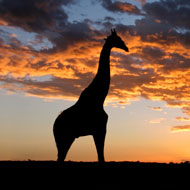
"Whilst giraffes are commonly seen on safari, in the media and in zoos, people - including conservationists - are unaware that these majestic animals are undergoing a silent extinction."
Global giraffe populations have plummeted by up to 40 per cent over the past three decades, prompting the IUCN to move the species from 'least concern' to 'vulnerable' on its updated Red List of Threatened Species.
Released today (8 December), the list reveals giraffe numbers had fallen to 97,562 in 2015 - a 36-40 per cent decline compared with figures from 1985.
IUCN says the species is being pushed to extinction, primarily by habitat loss/change owing to expanding agriculture and mining; illegal hunting; civil unrest; and an increase in human-wildlife conflict.
"Whilst giraffes are commonly seen on safari, in the media and in zoos, people - including conservationists - are unaware that these majestic animals are undergoing a silent extinction," said Julian Fennessy, co-chair of the IUCN SSC Giraffe and Okapi Specialist Group.
Of the nine giraffe subspecies, three have increasing populations, five have decreasing populations and one is stable.
The updated list also features 742 newly recognised bird species, but experts stress that this does not mean the world's birds are faring better.
"As our knowledge deepens, so our concerns are confirmed: unsustainable agriculture, logging, invasive species and other threats - such as the illegal trade highlighted here - are still driving many species towards extinction," commented BirdLife's global science coordinator Dr Ian Burfield.
The Antioquia wren and comoro blue vanga, for example, were classified 'endangered' and 13 bird species enter the list as 'extinct'. Several of these are thought to have been lost in the past 50 years, including the Pagan reed-warbler, Laysan honeycreeper and O'ahu akepa.
Some of the world's most popular birds are also at risk of disappearing from the wild. The African grey parrot has been moved from the 'vulnerable' to 'endangered' category, as unsustainable trapping and habitat loss pushes the species to extinction.
IUCN says there is now evidence to suggest unsustainable capture for the cage bird trade (largely centred on Java) is driving deterioration in many species.
Director general Inger Anderson warned: "Many species are slipping away before we can even describe them. This IUCN Red List update shows that the scale of the global extinction crisis may be even greater than we thought.
"Governments gathered at the UN biodiversity summit in Cancun have the immense responsibility to step up their efforts to protect our planet’s biodiversity – not just for its own sake but for human imperatives such as food security and sustainable development."


 Companies marketing medicines for small pets exempt from authorisation must submit their annual return to the Veterinary Medicines Directorate (VMD) by 30 November 2026.



