


RCVS reports recent practice burglaries
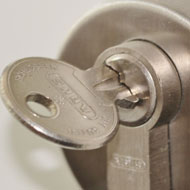
The RCVS says it has been made aware of a number of recent burglaries of veterinary practices for the purpose of stealing controlled drugs.
The RCVS says it has been made aware of a number of recent burglaries of veterinary practices for the purpose of stealing controlled drugs. Practices are being reminded to store controlled drugs safely and securely to protect themselves.
There is a legal requirement for all schedule 2 controlled drugs, except quinabarbitone, and certain schedule 3 controlled drugs to be stored in a locked container that is compliant with the Misuse of Drugs (Safe Custody) Regulations 1973.
However, the RCVS advises that all schedule 3 controlled drugs be kept in a controlled drug cabinet.
Only a veterinary surgeon or nominated person at the practice may access the controlled drugs cabinet. If a nominated person who is not a veterinary surgeon is removing drugs from the cabinet, the veterinary surgeon directing them remains legally and professionally responsible.
For the college's full guidance on this, including destruction of controlled drugs and the use, location, design and construction of cabinets, see the Controlled Drugs Guidance and Practice Standards Scheme manuals:
- http://www.rcvs.org.uk/publications/controlled-drugs-guidance/
- http://www.rcvs.org.uk/practice-standards-scheme/
Many UK police forces have controlled drug liaison officers who can provide advice on safe storage. Contact details for officers by area can be obtained from the Association of Police Controlled Drugs Liaison Officers: http://www.apcdlo.org.uk/contact.html


 Veterinary practices are being urged to help owners safely dispose of any unused and expired pet medicines - not just antibiotics - during November's Animal Medicines Amnesty.



