


Goats follow human gaze just like dogs, study finds
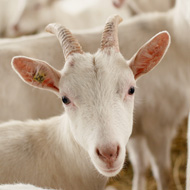
As soon as the goats discovered that they could not reach the treat, they redirected their gaze between the reward and the humans.
Goats are able to communicate with humans just like dogs and horses can, according to a study by Queen Mary University of London.
In a paper, published in Biology Letters, scientists suggest that domestication has a bigger impact on human-animal communication than first thought.
The researchers trained goats to remove a lid from a box with a tasty reward inside. When the goats got used to the system, the team made the reward inaccessible and recorded the goats’ reaction towards the experimenter, who was either facing the goats or had their back to them.
As soon as the goats discovered that they could not reach the treat, they redirected their gaze between the reward and the humans. Furthermore, the researchers found that the goats gazed towards the person facing forward more often and for longer compared to the person facing away.
“Goats gaze at humans in the same way as dogs do when asking for a treat that is out of reach,” commented first author Dr Christian Nawroth.
“Our results provide strong evidence for complex communication directed at humans in a species that was domesticated primarily for agricultural production.”
It is thought that the capacity of dogs to perceive information from humans is the result of changes to the brain from becoming a companion animal through domestication. Therefore the findings of this research indicate that dogs are not alone in their ability to communicate with humans.
“From our earlier research, we already know that goats are smarter than their reputation suggests, but these results show how they can communicate and interact with their human handlers even though they were not domesticated as pets or working animals,” said lead author Dr Alan McElligott.
The researchers hope that the study will lead an to improved understanding of how skilled livestock are able to solve problems, as well as a lead to a general improvement in animal welfare.


 Companies marketing medicines for small pets exempt from authorisation must submit their annual return to the Veterinary Medicines Directorate (VMD) by 30 November 2026.



