


Vaccine available later this month
Farming minister George Eustice is urging livestock producers to consider vaccinating their animals against bluetongue, Farmers Weekly report.
Speaking ahead of the the Livestock Event at the NEC, Birmingham on Wednesday (6 July), Mr Eustice called on livestock farmers to keep a look out for any signs of the disease and report any suspicions to their vet and the APHA immediately.
“As ever, we will work closely with farmers, industry bodies and vets to make sure we’re well-prepared for a possible outbreak to minimise any impact on livelihoods,” he said.
Bluetongue is a non-contagious disease that affects sheep, cows, goats and camelids. In sheep, the main signs of bluetongue are ulcers in the mouth, drooling from the mouth and nose, and swelling of the mouth, head and neck.
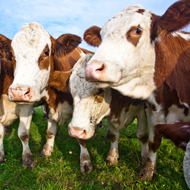
Cattle are the main carriers of Bluetongue. However, they generally do not show any signs of the disease. Occasional signs can include swelling and ulcers in the mouth, nasal discharge, swollen teats, tiredness and red skin.
Experts believe that there is a high risk of bluetongue type 8 spreading towards the UK later this summer, as a result of infected midges being blown over from France.
In response to the warning, MSD Animal Health signed an agreement with the Spanish-based biopharmaceutical specialist CZ Veterinaria SA (CZV), to distribute its bluetongue vaccine (BLUEVAC BTV8) throughout Great Britain.
The company expects the vaccine, which has been used in Europe for a number of years, to become available in the UK later this month.


 Companies marketing medicines for small pets exempt from authorisation must submit their annual return to the Veterinary Medicines Directorate (VMD) by 30 November 2026.



