


Lab researcher infected with Zika
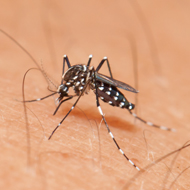
Zika virus is largely transmitted through the bite of an infected Aedes mosquito.
A female laboratory researcher has become infected with Zika virus following a needle stick accident at the University of Pittsburgh. It is thought to be the first case of its kind.
The researcher pricked herself with the needle on 23 May and started having symptoms on 1 June, according to ABC News. Her symptoms have now resolved and she is reported to be doing well.
In line with recommendations, she has agreed to use insect repellant and wear long sleeves and trousers for three weeks. This is to prevent a bite from a mosquito that could then transmit the virus to another person.
The Allegheny County Health Department urged those travelling to Zika-affected countries to be cautious. Pregnant women are advised to avoid travel to those countries. It is the county's fourth case of Zika but the health department said in a statement: 'There is still no current risk of contracting Zika from mosquitos in Allegheny County.'
Zika virus is largely transmitted through the bite of an infected Aedes mosquito, which are common in warm climates. Common symptoms are fever, rashes, joint pain and conjunctivitis. Symptoms are usually very mild, lasting for several days to a week. However, contracting the virus during pregnancy can cause the serious birth defect, microcephaly.


 Companies marketing medicines for small pets exempt from authorisation must submit their annual return to the Veterinary Medicines Directorate (VMD) by 30 November 2026.



