


Campylobacter now present on half of chickens
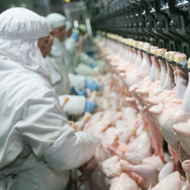
The reduction is partly due to the fact that many retailers and suppliers have begun to remove the neck skin from chickens before they go on sale.
The latest data shows campylobacter was present on 50 per cent of fresh shop-bought chickens tested by the Food Standards Agency (FSA) from January to March 2016, compared to 71 per cent last year.
Chickens testing positive for the highest level of contamination has also fallen significantly - from 21.8 per cent in December 2014 to February 2015, to 9.3 per cent this quarter.
FSA's director of policy Steve Wearne says the reduction is partly due to the fact that many retailers and suppliers have begun to remove the neck skin from chickens before they go on sale. As this is the most contaminated part of the bird, this is good news for consumers.
However, it has presented problems for the FSA's campylobacter survey, as the neck skin was the part of the bird they had been testing. As a result, Mr Wearne says comparisons with previous figures is "not as reliable as we would like". Therefore, only an overall figure for campylobacter on chicken is being given this quarter, as opposed to a breakdown of figures by retailers.
The survey has now been halted until summer, when a new method of testing will be introduced. The first results from this survey, which will rank retailers, is expected in January 2017.


 Companies marketing medicines for small pets exempt from authorisation must submit their annual return to the Veterinary Medicines Directorate (VMD) by 30 November 2026.



