


Poultry sector cuts antibiotic use by 44 per cent
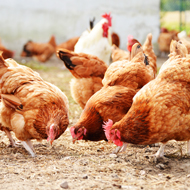
The sector has focused on restricting the use of antibiotics classed as critical for human medicine.
Antibiotic use on British poultry farms has fallen by 44 per cent since 2012, it was revealed in parliament this week.
Farming minister George Eustice praised the industry for its efforts to better understand and reduce antibiotic use, as well as its commitment to open and transparent reporting.
The British Poultry Council (BPC) has worked with the Veterinary Medicines Directorate (VMD) since 2011 to collect accurate poultry-specific data.
Under the BPC Antibiotic Stewardship Scheme, the sector has focused on restricting the use of antibiotics classed as critical for human medicine. A voluntary ban on the use of third and fourth generation cephalosporins has been in place since 2012.
According to a report released this week, the use of fluoroquinolones has been reduced by 48 per cent, while macrolide use was reduced by half year-on-year between 2013 and 2015 and amoxycilin reduced by 46 per cent in the same time period. Similarly, tetracycline use dropped by 47 per cent between 2012 and 2015.
BPC chairman John Reed commented: "Antibiotic use is an incredibly important subject for both animal and human health. The British poultry sector has taken a lead in understanding its own use and impact, and we hope that others will follow suit…
"Our priority remains the health of our birds, and the responsible therapeutic use of antibiotics is crucial."


 Companies marketing medicines for small pets exempt from authorisation must submit their annual return to the Veterinary Medicines Directorate (VMD) by 30 November 2026.



