


Farmers concerned that the guidance risks falling out of date
Defra has abandoned its plans to deregulate farm animal welfare codes to industry bodies following sustained lobbying by animal welfare groups.
In March, Defra secretary Liz Truss announced that she was overseeing moves to devolve farm animal welfare groups as part of her department’s move towards the creation of ‘industry-led’ guidance.
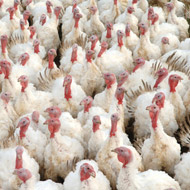
The British Poultry Council (BPC) had already worked on new guidance and redrafted statutory code, which was due to come into force on 27 April.
But now the government has unexpectedly pulled the project, raising concerns from farming bodies that the guidance risks falling out of date.
Speaking to Farmers Weekly, BPC chairman John Reed said: “We supported the move towards joint owned guidance and we have contributed significant amount of recourse to this piece of work and are frustrated that it has been repealed before we are able to publish the content.
“By revoking its decision, Defra is walking away from an opportunity to ensure welfare guidance is kept up to date with the latest research using industry expertise.”
In the weeks leading up to the scheme being dropped, campaigners - including the RSPCA and Compassion in World Farming - lobbied Defra over fears that the move could affect the welfare of animals.
The mainstream media also put pressure on the Government, culminating in shadow Defra secretary Kerry McCarthy calling for an urgent debate on the issue.
In a statement, Defra said that the Government wanted to work closer with farmers to grow and develop existing codes.
“In light of views raised, we have given the matter further consideration and believe we can achieve this objective by retaining the existing does.
“The work of the farming industry has been invaluable and we will continue to work with them to ensure out guidance is updated to best help them to comply with our high welfare standards.”
In response to the news, the BVA has issued a statement urging Defra to work with the veterinary profession to bring the animal welfare codes up to date in a way that does not undermine public confidence.
“BVA has not opposed the concept of moving to non-statutory codes, some of which are in urgent need of updating to reflect the latest animal welfare science and good practice,” said BVA president Sean Wensley.
“However, we have questioned the way in which the consultation has taken place and raised concerns that public confidence could be undermined by a process that wasn’t sufficiently transparent.
“It is now important for Defra to work with the veterinary profession, industry and all relevant stakeholders to find a way forward that ensures vital welfare codes can be brought up to date in an open way that instils public confidence.”


 Companies marketing medicines for small pets exempt from authorisation must submit their annual return to the Veterinary Medicines Directorate (VMD) by 30 November 2026.



