


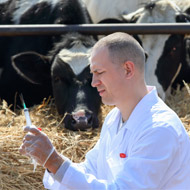
Further measures announced to protect England from TB
Compulsory post-movement testing is to be introduced from April 6 2016 as part of a package of measures to eradicate TB in England.
Over half of new bovine TB infections in low risk areas are connected to cattle purchased from high risk areas.
It is hoped the move will give farmers great confidence that low risk areas can officially become TB-free.
At the same time, following consultation last year, the Government will introduce a further three additional measures.
These include tighter movement restrictions, Government-funded pre-sale testing, and the option of APHA private Interferon gamma blood tests to diagnose TB under certain conditions.
Commenting on the new measures farming minister George Eustice said: “We are presiding over a huge collective effort to eradicate bovine TB in England.
“Our comprehensive strategy is clear: the disease can only be defeated by taking coordinated action on cattle movements, cattle testing and badger control.
“The cattle measures we are introducing in April will help protect against cattle-to-cattle transmission and bring the Low Risk Area closer to achieving TB freedom.”
It has been three years since the Government first announced its TB eradication strategy which includes tighter cattle measures, improved biosecurity and badger control.
Supported by leading vets and Defra scientists, the Government say that the approach of dealing with the disease in cattle and wildlife has worked overseas.


 Companies marketing medicines for small pets exempt from authorisation must submit their annual return to the Veterinary Medicines Directorate (VMD) by 30 November 2026.



