


Cattle farmers warned about silage eye
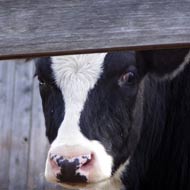
Silage eye, or bovine iritis, is a common cause of inflammation of the uvea in cattle that are fed winter rations of baled silage/haylage.
Recent wet weather may be behind a number of new cases of silage eye in cattle, according to vets at Synergy Farm Health in Dorset, who are urging farmers to be vigilant for symptoms.
Veterinary surgeon Esme Moffett told Farmers Weekly: "This is not exactly a common condition, but one I have seen in several animals in recent weeks.
"Mould in feed and bedding can cause the condition, so it is wise for farmers to keep a lookout to help both prevent and treat the condition early."
Silage eye, or bovine iritis, is a common cause of inflammation of the uvea - the pigmented layer of the eye beneath the sclera and cornea - in cattle that are fed winter rations of baled silage/haylage.
Farmers are being urged to look out for early signs of squinting and watery or cloudy eyes, as the condition responds well to antibiotic eye cream at this stage. If infection is picked up at a later stage, farmers are advised to call their vet.
"As always, prevention is better than cure, so look out for mouldy lumps of feed and bedding and get rid of them," Mrs Moffett added.
Other signs of silage eye include blinking, forced closure of eyelids, excessive tear staining, bulges in the iris and bluish-white opacity of the eye surface.


 Companies marketing medicines for small pets exempt from authorisation must submit their annual return to the Veterinary Medicines Directorate (VMD) by 30 November 2026.



