


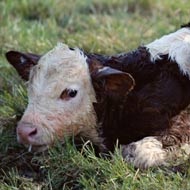
Vets welcome the new disease eradication programme
Testing for bovine viral diarrhoea (BVD) virus is now compulsory in Northern Ireland, after new legislation came into effect this week.
As of 1 March, it became a legal requirement for newborn calves (including stillborns and abortions) to be tested for BVD, as part of Northern Ireland's new disease eradication programme.
Making the announcement, minister of agriculture and rural development, Michelle O'Neill, said: "This will help to ensure that herds reach their full health potential, which in turn will increase profitability for herd keepers, whilst protecting trade opportunities for farmers across the north."
BVA's Northern Ireland branch president Seamus O'Kane welcomed the news, saying: "The introduction of compulsory BVD testing is a part of the joined-up DARD, profession and industry approach that is crucial for the delivery of a successful BVD eradication programme in Northern Ireland.
"We welcome the minister O’Neill’s commitment to disease control and hope we will see similar successes as we did with our Officially Brucellosis Free declaration."
The new rules were first revealed in November last year, but did not come into force until this week to allow time for Animal Health and Welfare NI to make operational arrangements. The interval also gave farmers the chance to use their existing stock of standard cattle identification tags, before purchasing new BVD tissue sample enabled tags.
When minister O'Neill announced her decision to roll out compulsory testing last year, she said the overall industry contribution will be more than £5 million in three years, which will be outweighed by the financial benefits of eradicating BVD.
"I accept some farmers may be concerned about initial costs to be incurred by testing their herd and removing persistently infected (PI) animals," she explained.
"However, there is strong evidence to indicate that the financial gains which can be made by herd keepers through eradicating BVD can outweigh the initial costs by a ratio of 10 to one."


 Companies marketing medicines for small pets exempt from authorisation must submit their annual return to the Veterinary Medicines Directorate (VMD) by 30 November 2026.



