


Vets share personal experiences of mental illness
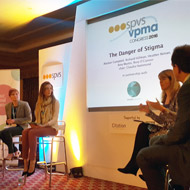
The session focused on the stigma attached to mental illness.
A panel of speakers shared their personal experiences of mental health problems, during a refreshingly honest session at the VPMA/SPVS Congress today.
Chaired by award-winning broadcaster, Claudia Hammond, the panel consisted of writer and political aide Alistair Campbell, two veterinary surgeons, a practice manager and Rory O'Connor, who works closely with vets suffering from mental health problems.
The talks, which focused on the stigma attached to mental illness, offered a rare and candid insight into the real experiences of UK veterinary professionals.
A theme ran through the vets' stories - they described taking too much on and feelings of reluctance about asking for help, as they are working in a caring profession and are perceived as having all the answers.
As a young vet, Heather Niman suffered a breakdown and was admitted to a psychiatric hospital while she was in her first job after graduating.
Due to financial pressures she took the first job she was offered and it took her to a rural practice miles away from her family. Worries about burdening others with her problems meant she become isolated as she was reluctant to talk things through with her friends.
Work became all encompassing as she blamed herself for the fact that she was struggling in her job and worked harder and harder to compensate; taking every on-call she could.
Following Heather's experiences, she is now passionate about driving change in vet schools, which she believes should teach mindfulness and make use of 'gratitude diaries' where you list everything you are grateful for each day.
In order to help avoid mental health issues, she advises young vets to think carefully about their first job, to be aware of warning signs, speak to friends and family, seek advice from a GP and be brave enough to make changes where they are needed.
Heather's story resonates with that of Richard Hillman, a veterinary surgeon and former SPVS president who built up a practice from scratch. Speaking about his battle with mental illness publicly for the first time during the congress, he said: "I would take on anything anyone gave me and I would cope with it."
Richard believes there is a "massive stigma" attached to mental illness in the veterinary profession. "People bring their animals to us and we've been highly successful people…and I work a lot with new graduates and I think that is a difficult point when suddenly you don't have all the answers."
As well as tackling stigma, practice manager Amy Martin believes steps must be taken by employers to prioritise staff wellbeing. Following the tragic suicide of a member of staff at her practice, Amy introduced a number of strategies to ensure staff welfare.
These included weekly case reviews and monthly clinical governance meetings to support the team, 'cake Wednesday', increased flexibility, minimal short-staffing and providing rotas in advance so staff can make social plans more easily. Amy also handles most of the complaints herself, as she believes it is easier to deal with a complaint about somebody else.
Whilst there is clearly still an issue with mental health within the profession, the discussion provided a deeper insight into the possible causes and solutions to this problem. With a full lecture stream on mental health this congress, the issue is becoming ever-more talked about.


 Companies marketing medicines for small pets exempt from authorisation must submit their annual return to the Veterinary Medicines Directorate (VMD) by 30 November 2026.



