


Bluetongue: CVO issues warning about imports
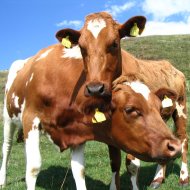
Bluetongue is an insect-borne viral disease to which all ruminants are susceptible.
Farmers in Northern Ireland are being urged not to import cattle from countries affected by bluetongue.
Chief veterinary officer Robert Huey says there have been "isolated incidents" in recent weeks of farmers importing cattle from affected European countries.
"There are inherent risks associated with this and I would urge farmers not to import cattle from affected countries," he warned.
Bluetongue is an insect-borne viral disease to which all ruminants are susceptible, but sheep are the most severely affected. The potential cost of an outbreak has been estimated at up to £25 million a year.
Mr Huey said: "Responsible sourcing of livestock is critical to the maintenance of our high animal health status and ability to trade.
"To date, the actions of DARD's Veterinary Service, alongside our counterparts in the south, in addition to the actions of responsible farmers, have been successful in maintaining bluetongue free status on the whole island of Ireland.
"It is vital that the necessary precautions are taken to ensure this status is retained."
Recently, there have been a number of cases of bluetongue serotype 8 (BTV-8) in the Allier region of central France. These outbreaks are the first to be reported in the EU since 2011. BTV-8 was responsible for the previous outbreak of bluetongue in northern Europe.


 Companies marketing medicines for small pets exempt from authorisation must submit their annual return to the Veterinary Medicines Directorate (VMD) by 30 November 2026.



