


Greyhound welfare: campaigners call for independent watchdog
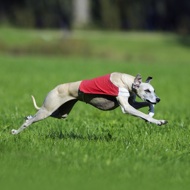
"We strongly believe that there is indeed a robust and compelling case for strengthened and independently enforced legislation” - League Against Cruel Sports.
Animal welfare campaigners are calling for an independent watchdog to monitor the greyhound industry.
In a statement, the League Against Cruel Sports (LACS) say that the greyhound racing industry 'cannot be trusted to police its own behaviour, so an independent watchdog with teeth is essential if the government is serious about stamping out neglect, cruel training practices and widespread injury.'
The call comes as Defra hold a public consultation into the welfare of greyhounds. Today (24 November) the Environment, Food and Rural Affairs (Efra) Committee will hear oral submissions from a number of animal welfare organisations, including Dr Toni Shephard, head of policy and research at the LACS.
"For too long, the tail has wagged the dog, with the government allowing the demands of the greyhound racing industry to take precedence over the animals’ welfare," says Dr Shephard.
He added: “While it is good that Defra recognises the widespread concern about how the industry treats its racing dogs, the recommendations in its review are naïve and wholly inadequate.
“Based on the greyhound racing industry’s dismal record in policing itself over the past five years and contrary to Defra’s position, we strongly believe that there is indeed a robust and compelling case for strengthened and independently enforced legislation.”
The Efra Committee is seeking evidence on a number of issues, including whether the current regulations ensure the welfare of racing greyhounds, whether they are being consistently enforced and what the current welfare situation is with regard to breeding, kennelling, transporting, racing and euthanasia.
It is also inviting submissions on the transparency of data on the number of active racing dogs, injuries, performance-enhancing drugs, the number of re-homed and destroyed dogs, as well as breeding and import figures.
Full details on the government's consultation on the welfare of greyhounds can be found at: https://consult.defra.gov.uk/animal-health-and-welfare/consultation-on-the-racing-greyhounds-review.


 Veterinary practices are being urged to help owners safely dispose of any unused and expired pet medicines - not just antibiotics - during November's Animal Medicines Amnesty.



