


West Nile Disease reported in France
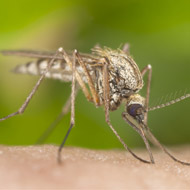
West Nile Virus is a seasonal vector borne disease transmitted from wild birds by mosquitos.
Two cases of West Nile Disease have been reported in France prompting a Defra-led report on the risk to the UK's equine population.
The outbreaks were discovered in horses in the Bouches du Rhone region in the south of France. In one case, a three year old Lusitano exhibited neurological signs on 11 August, and was humanely destroyed on August 19.
In the second case, an Anglo-Arabian mare, also exhibiting clinical signs, was humanely destroyed on August 17. Of the remaining 19 horses at the premises, all are clinically well and are undergoing tests.
The farms are situated on the outskirts of the Camargue National Park. Since the outbreaks were discovered, a further five have been reported in the same region.
This is the first time the vector-borne disease has been reported in France since 2006. Measures to control the disease, including movement restriction and vector control, are now in place.
In the report, Defra conclude that the French cases do not increase the risk of West Nile Virus reaching the UK. However, horse owners should be aware of the risk to horses travelling in these areas.
Echoing the assessment, BEVA president Mark Bowen said: "The recent outbreaks of West Nile Virus in Southern France are a reminder of the importance of exotic disease awareness amongst the veterinary profession.
"West Nile Virus is a seasonal vector borne disease transmitted from wild birds by mosquitos. Although the risk to the native UK horse population remains low, targeted vaccination of competition horses travelling to southern Europe should be considered."


 Veterinary practices are being urged to help owners safely dispose of any unused and expired pet medicines - not just antibiotics - during November's Animal Medicines Amnesty.



