


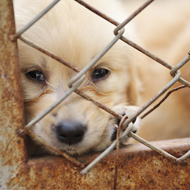
One in 10 buy a dog without seeing it first
Many people are choosing to buy 'mail order pups' online or from newspaper adverts, not realising that lots of puppies sold this way have been illegally smuggled from abroad.
According to figures released by the Kennel Club, one in 10 people buy their puppy without seeing it first - a classic sign that the dog has come from a puppy farm because the breeder does not want buyers to see the state of the pup or the condition it was raised in.
The organisation say that many of these pups go on to develop diseases and conditions commonly found in puppy farmed pups.
Figures show that one fifth of pups purchased on the internet developed serious gastro-intestinal problems, 15 per cent contracted parvovirus and one in 10 fell ill with kennel cough. A further 15 per cent of people still buy their dogs from pet shops and around one in five of these pups end up with parvovirus.
Caroline Kisko, Kennel Club Secretary, said: “Sadly, it is all too easy for puppy buyers to be duped by irresponsible breeders, whose puppies end up with severe health and behavioural problems because of the terrible start they have had in life.
“It is absolutely shocking that people are still buying from pet shops or from online and newspaper adverts without seeing the pup they are buying first. There is nothing wrong with sourcing a puppy online, so long as adverts on the website comply with the Pet Advertising Advisory Group’s minimum standards for advertising pets, but you must then meet the breeder and the pup and ensure they are doing the right things.
"Unless people insist on seeing mum and seeing the home environment then unsuspecting puppy buyers will continue to buy puppies that will end up with health and behavioural problems that will cost them dearly, both financially and emotionally. It is quite likely that the pups they are buying will have been brought into the country illegally or raised on puppy farms in the UK."
Since controls were relaxed under changes to the Pet Travel Scheme in 2012, Defra say that there has been a 61 per cent rise in pups coming to the UK from abroad. The figure does not account for the undeclared dogs that are being illegally smuggled into the country.
As part of its Puppy Awareness Week, the Kennel Club is reminding people to always see the puppy’s breeding environment and to see the pup interacting with its mother.
Caroline added: “We urge people to buy from a Kennel Club Assured Breeder, where they can be sure that the breeder and their premises have been inspected by the Kennel Club and found to be complying with our rules for responsible dog breeding.”
For more information about Puppy Awareness Week visit www.thekennelclub.org.uk/paw.


 Companies marketing medicines for small pets exempt from authorisation must submit their annual return to the Veterinary Medicines Directorate (VMD) by 30 November 2026.



