


Isolated BSE case confirmed in Ireland
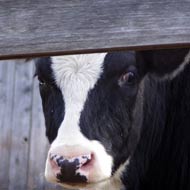
This is Ireland's first case of BSE since 2013 and is likely to result in the loss of its 'negligible risk' status. (stock photo)
Final test results have confirmed an isolated 'classical' case of bovine spongiform encephalopathy (BSE) in the Republic of Ireland.
It is Ireland's first case of BSE since 2013 and is likely to result in the loss of its 'negligible risk' status, which was granted only days before the suspected case was identified.
The World Organisation for Animal Health (OIE) is expected to reassign Ireland's 'controlled risk' status, which recognises the use of robust control systems, providing a basis for the safe trade in animals and products.
All animals potentially exposed to the BSE agent responsible for this one-off case have been identified, slaughtered, excluded from the food and feed chains, and tested. That is, animals born and reared on the birth-farm one year on either side of the birth date of the affected animal, and her progeny.
All 63 of these animals tested negative for BSE, as did the dam and grand-dam of the infected animals.
In addition, there are no concerns about the integrity of the commercial feed supply chain or the effectiveness of feed control systems.
According to the Department of Agriculture, Food and the Marine, the identification of classical cases of BSE after the ban on feeding meat and bone meal was implemented is not unprecedented. A falling number of these cases have been identified in Ireland and other countries over the years.


 Companies marketing medicines for small pets exempt from authorisation must submit their annual return to the Veterinary Medicines Directorate (VMD) by 30 November 2026.



