


Suspected case of BSE in Ireland
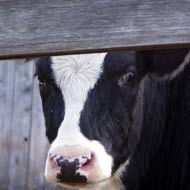
If BSE is confirmed, it will be Ireland's first case since 2013.
A suspected case of bovine spongiform encephalopathy (BSE) has been identified in the Republic of Ireland. Further test results are expected this week.
The suspected case was identified in a five-year-old cow in County Louth on Thursday, 11 June.
If BSE is confirmed, it will be Ireland's first case since 2013 and could result in the loss of its negligible risk status, which was granted just days before the suspected case was identified.
The Irish Department of Agriculture, Food and the Marine has confirmed the cow was not presented for slaughter and did not enter the food chain, therefore there is no risk to human health.
Commonly known as 'mad cow disease', BSE fatally attacks the brain and central nervous system.
Veterinary organisations in the UK and Ireland have said this case underlines the importance of robust disease surveillance.
Simon Doherty, president of the North of Ireland Veterinary Association and BVA's NI branch said that while the case is "disappointing", it highlights the robust mechanisms in place for livestock disease surveillance and food safety.
BVA president John Blackwell added: "Whilst this case is only a suspicion at present it clearly demonstrates we can never take our eye off the ball in disease surveillance…
"Vigilance, robust surveillance and applications of official controls within the processing industry therefore need to be maintained."
BVA and the North of Ireland Veterinary Association also praised the timely manner in which the news was communicated across the border.


 Companies marketing medicines for small pets exempt from authorisation must submit their annual return to the Veterinary Medicines Directorate (VMD) by 30 November 2026.



