


'Communication is the key'
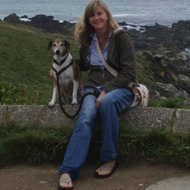
If Heidi is elected, she hopes to bring her thoughts to the Council on how issues affecting the veterinary profession should be addressed.
Stress and mental health issues are a major cause of concern for the veterinary profession, but Dr Heidi Janicke, a candidate in the RCVS Council elections, believes that this can be improved through better communication.
"The college needs to disseminate information on how to identify mental health issues and how and where to seek help should it be necessary.
"I think the college should also encourage universities to consider the resilience of their candidates - and not just academic achievement - during their recruitment process, to ensure new graduates have the best chance of succeeding in their chosen career."
Heidi, an assistant professor in clinical and professional skills at Nottingham Vet School, also thinks that more information should be made available, both at undergraduate level, and in the working veterinary population, about alternative careers that welcome veterinary graduates - aside from the traditional general practitioner or specialist.
"There are so many areas a graduate can excel in that, although not necessarily without issues that lead to mental health problems, are of a different sort and may suit certain individuals better."
If Heidi is elected, she hopes to bring her thoughts to the Council on how issues affecting the veterinary profession should be addressed. In particular, she is interested in education, both at undergraduate and CPD level. "Knowledge, both medical and professional, is progressing at an ever increasing speed,' she says. "We need to ensure that our profession stays up to date."
The College came under fire for some of its decision last year and, as with stress and mental health, Heidi believes that this can be avoided in future through better communication. "In my opinion, communication, or lack of, nearly always lies at the heart of any issues and disagreements."
"I think the college needs to be disseminating information in a manner that reaches the majority of its members and takes their opinions into account with any decisions that are made. I see it as my job to be the mouthpiece of those opinions."
For our full interview with Heidi, visit www.vetcommunity.com. Login in or sign up for a free account to read more on the elections and discuss.


 Companies marketing medicines for small pets exempt from authorisation must submit their annual return to the Veterinary Medicines Directorate (VMD) by 30 November 2026.



