


WHO approves fast test for Ebola
Trials of the test have correctly identified around 92 per cent of patients who have been infected with the virus.
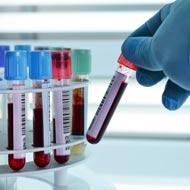
A blood test for Ebola which can provide results within 15 minutes has been approved for use by the World Health Organisation.
According to the BBC, the test will allow patients to be identified, isolated and cared for as quickly as possible in an attempt to tackle the outbreak, which has now killed over 9,000 people.
Ebola is currently being tested in laboratories largely through the detection of the virus's nucleic acid, using commercial or in-house tests.
Nucleic acid tests (NATs) are more accurate but are complex to use and require well-established laboratories and fully trained personnel. The turn-around time for a NAT test is also quite slow, varying between 12 and 24 hours.
WHO say that the ReEBOV Antigen Rapid Test, developed by US company Corgenix, is based on detection of the Ebola protein rather that nucleic acid.
Trials of the test have correctly identified around 92 per cent of patients who have been infected with the virus.
The World Health Organisation said: "While less accurate, the antigen test is rapid, easy to perform and does not require electricity – it can therefore be used at lower health care facilities or in mobile units for patients in remote settings"
It added that where possible, results from ReEBOV antigen Rapid Test Kit should be confirmed by testing a new blood sample using an approved Ebola NAT.


 Companies marketing medicines for small pets exempt from authorisation must submit their annual return to the Veterinary Medicines Directorate (VMD) by 30 November 2026.



