


Organisation propose package of reforms
The World Health Organisation (WHO) have proposed a package of reforms to fight disease outbreaks better, following an admission that it was too slow in dealing with the Ebola outbreak in West Africa.
In a report to the Special Session of the Executive Board on Ebola, Dr Margaret Chan, Director-General of the WHO, said: "The outbreak of Ebola virus disease in parts of West Africa is the largest, longest, most severe, and most complex in the nearly four-decade history of this disease.
"This was West Africa’s first experience with the virus, and it delivered some horrific shocks and surprises. The world, including WHO, was too slow to see what was unfolding before us."
Dr Chan added that the Ebola outbreak revealed some "inadequacies and shortcomings" in the organisation's managerial, administrative and technical infrastructures, and went on to highlight a few of the reform proposals.
The reforms announced include more streamlined recruitment procedures, a more extensive public health reserve workforce, and a "dedicated contingency fund to support rapid responses to outbreaks and emergencies".
Dr Chan said the WHO has avoided the worst case scenario, saying "we must now focus on the proven public health measures needed to get the job done."
"Never again should the world be caught by surprise, unprepared."
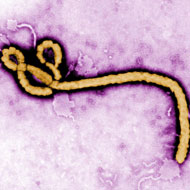
Image (C) CDC Global/Wikimedia Commons/CC BY 2.0


 Companies marketing medicines for small pets exempt from authorisation must submit their annual return to the Veterinary Medicines Directorate (VMD) by 30 November 2026.



