


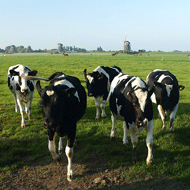
SRUC vets urge farmers to be on their guard and to look at prevention and treatment options
Farmers are being warned to be on their guard for lungworm after Scotland's Rural College (SRUC) reported that diagnostic submissions and feedback from vets indicated a high number of recent cases.
SRUC Veterinary Services says submissions to its disease surveillance centres and information from farm animal veterinary surgeons across Scotland have prompted the warning. Some of the outbreaks have involved high numbers of cattle with a mixture of young first grazing and adult cattle affected.
Clinical signs of lungworm range from increased levels of coughing, milk drop and reduced growth rates in grazing cattle to severe breathing difficulties and death.
Colin Mason, Manager of SRUC’s Dumfries Veterinary Centre, said: “Based on previous years we would expect to see more cases in years with good summer weather and grass growth. The extended grazing period results in a greater risk of exposure to lungworm larvae on the pasture. The wetter weather in August will have favoured parasite survival and spread on the pasture adding to the risk.
“In addition, immunity to the parasite is variable in many herds in any age of cattle due to a reduced uptake of the vaccine, increase use of wormers in young stock rearing and potentially more housing of adult cattle with less opportunity to boost immunity.”
SRUC is urging producers to consider the risk of lungworm in their grazing cattle, particularly if weather conditions favour grazing later into the autumn, and say that removing lungworm burdens at or prior to housing will be particularly important for autumn pneumonia control programmes along with vaccination this year.Farmers are advised to consult their vet about preventative and treatment options to reduce losses.


 Companies marketing medicines for small pets exempt from authorisation must submit their annual return to the Veterinary Medicines Directorate (VMD) by 30 November 2026.



