


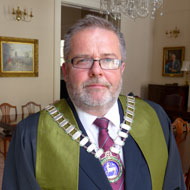
Delivering change and shaping the future will be the presidential theme
Shropshire veterinary surgeon John Blackwell has been elected as the BVA's new president. His presidential theme for 2014 to 2015 will be "delivering change and shaping the future".
Mr Blackwell said he is proud and honoured to be elected as president.
“I look forward representing our members' views and to the challenges that lie ahead as we continue to promote the value of veterinary healthcare and expertise to society, ensuring that all animals have a life worth living.”
Mr Blackwell hopes to promote wider understanding of the veterinary profession's role in animal rescue. In particular, those incidents where collaboration is required with the emergency services, such as road traffic accidents.
Growing up in Wrexham, North Wales, Mr Blackwell worked with dairy cattle on local farms. It was during this time that his career-long interest in working with farm animals, particularly cattle, began.
After graduating from the University of Liverpool Veterinary School in 1985, he spent two years in mixed practice in Lancashire before moving to the Brownlow Veterinary Centre in Shropshire, where he is now a director.
For the past few years, Mr Blackwell has been lecturing on the emergency slaughter of cattle at Nottingham Veterinary School. He is also a former member of the British Cattle Veterinary Association and a director on the board for the Animal Medicines Training and Regulatory Authority.
Mr Blackwell took his place as BVA president at the association's Members' Day in Manchester last week. Past president Robin Hargreaves became senior vice president, while the PDSA's senior veterinary surgeon for communication and education, Sean Wensley, was elected junior vice president.
Commenting on his appointment, Mr Wensley said: "It’s a great honour to be joining the officer team of the BVA. During my 10 years of involvement with the association, I have seen at first-hand the huge commitment of its staff and committees.
"I am looking forward to joining a team that is dedicated to assisting the veterinary profession advocate for the good health and welfare of animals, thereby contributing to solutions to many of the complex global challenges affecting animal and human wellbeing."
Image courtesy of BVA


 Companies marketing medicines for small pets exempt from authorisation must submit their annual return to the Veterinary Medicines Directorate (VMD) by 30 November 2026.



