


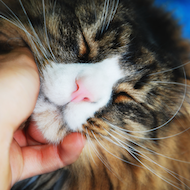
Dedicated "task force" is launched to respond to emergencies as demand for help increases
A heavy influx of unwanted cats and kittens at Yorkshire Cat Rescue has led the charity to launch a dedicated task force to respond to urgent requests for help.
Among those given the highest priority are orphan kittens and feral cats that are either pregnant or nursing very young kittens outside. Healthy cats that are at genuine risk of being put to sleep, because their owners are unable or unwilling to look after them, are also on the "at risk" list.
Sara Atkinson, the charity's founder, explains: "Our waiting list is now glowing red with the number of emergency cats that are in real and immediate danger of being put to sleep…every day we receive calls from people threatening to ‘get rid’ of their cats and kittens if we do not take them in and, for our staff and volunteers, the pressure is heartbreaking. With around 600 cats already on our waiting list for a space at the centre, the situation is dire.
“We have launched a dedicated team of people tasked solely with assessing urgent requests for help and coordinating the rescue of cats and kittens that may otherwise lose their lives. With no more room at the centre, we are calling on every single foster home to step in and make room for them.”
Yorkshire Cat Rescue are urging those seeking new homes for their cats to consider other alternatives, for example turning to friends or neighbours. The charity sometimes helps people to keep their cats by offering health and behavioural advice.
Sara continued: “People can help us in a number of ways such as by volunteering, fostering and donating; best of all however is by adopting a cat or by recommending us to friends and family members. In doing so you are making room for the next emergency on the list – allowing us to help those in the greatest need."
Details of some of the adult cats looking for new homes are available on www.yorkshirecatrescue.org. Families interested in meeting the many kittens available are advised to visit the charity's centre on Cross Roads, Keighley.


 Companies marketing medicines for small pets exempt from authorisation must submit their annual return to the Veterinary Medicines Directorate (VMD) by 30 November 2026.



